Claim Your Free Electrical Estimate Today
The Real Cost of Generator Installation: Key Expenses to Consider Before You Buy
Generator Installation Costs in Housatonic, MA
What Equipment, Labor, and Permits Actually Cost
A Complete Budgeting Guide
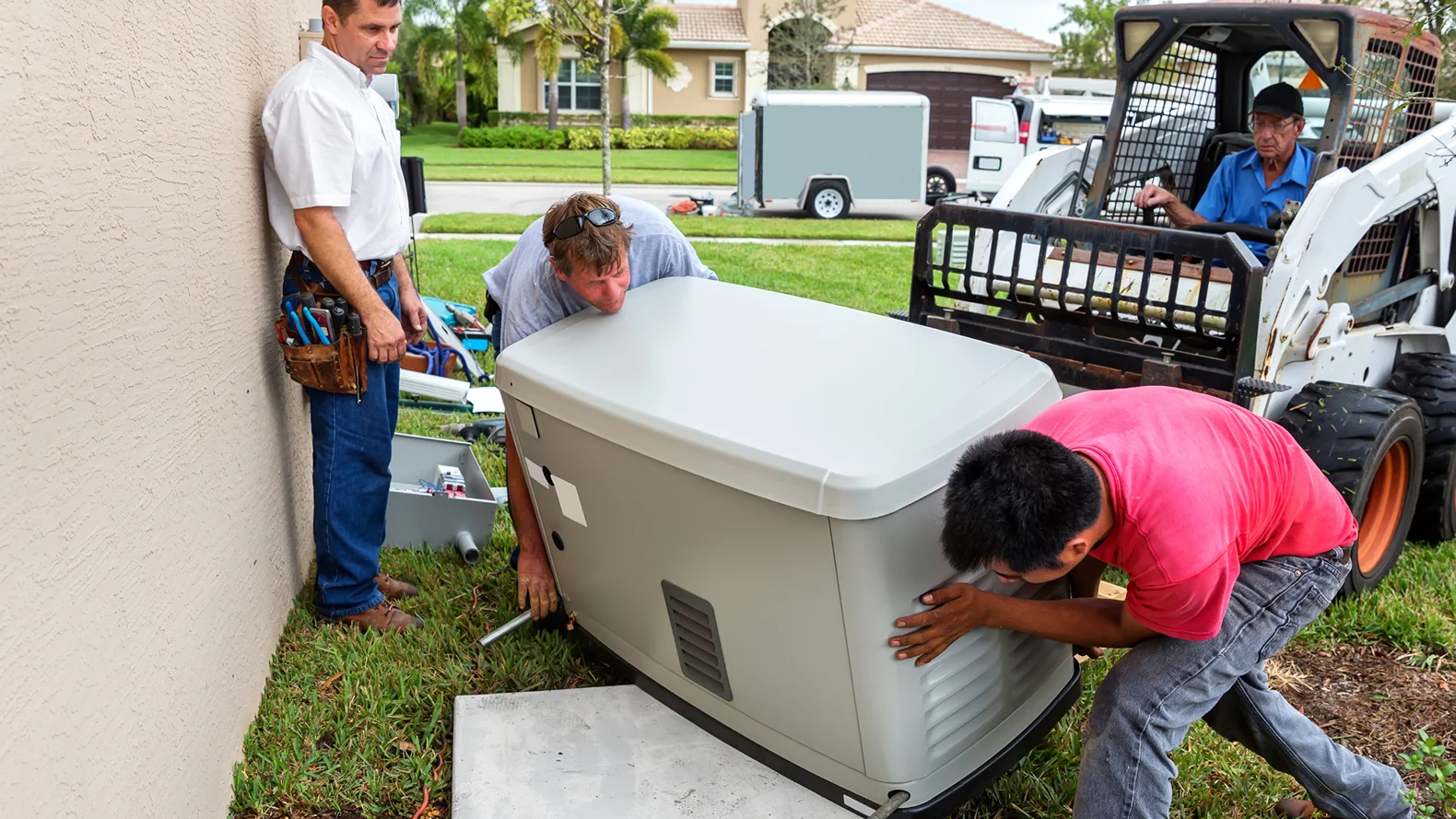
Understanding Equipment Pricing
The generator unit itself typically represents the largest single expense in your project. Standby generators range from portable models starting around $500 to whole-home systems that can exceed $15,000. The price depends primarily on power output capacity, measured in kilowatts (kW).
For most homes in the Housatonic area, a 10-14 kW generator handles essential circuits including refrigeration, heating systems, and select lighting. These mid-range units typically cost between $3,500 and $6,000. Larger properties or homes with higher electrical demands may require 20-25 kW systems, which start around $7,000 and can reach $12,000 or more.
Fuel type significantly impacts both initial cost and long-term operation. Natural gas generators connect directly to your existing gas line, offering convenience and lower fuel costs over time. Propane models require tank installation but provide flexibility in areas without natural gas service. Diesel generators, while less common for residential use, offer the highest power output for commercial applications.
When evaluating equipment costs, consider manufacturer warranties, expected lifespan, and fuel efficiency ratings. Premium brands may carry higher upfront costs but often deliver better reliability and longer service intervals, reducing total ownership expenses over the 20-30 year lifespan of a quality standby generator.
Professional Installation Requirements
Professional installation constitutes the second major cost component, and this is not an area where shortcuts serve you well. Generator installation requires licensed electrical expertise to ensure safety, code compliance, and proper system integration.
Labor costs for generator installation in the Berkshires typically range from $1,500 to $4,500, depending on project complexity. The installation process involves multiple specialized tasks: setting a concrete pad or platform, running gas or propane lines, installing a transfer switch, connecting to your electrical panel, and conducting system testing.
The transfer switch installation alone represents a significant portion of electrical work. This critical component automatically detects power outages and switches your home from grid power to generator power within seconds. Manual transfer switches cost less but require you to physically engage the switch during an outage. Automatic transfer switches add $500-$1,500 to the project but provide seamless transitions, particularly valuable during nighttime outages or when you’re away from home.
Additional electrical work may include upgrading your existing electrical panel if it lacks capacity for generator integration, installing a dedicated circuit for the generator, and ensuring proper grounding. These requirements vary based on your current electrical system and local code requirements.
Winter installations in our region may incur additional costs due to frozen ground conditions, though many homeowners in Great Barrington and surrounding areas schedule installation during warmer months to avoid this premium. Given the frequency of winter power outages in the Berkshires, however, many find the peace of mind worth the additional expense of cold-weather installation.
Regulatory and Compliance Costs
Permit and inspection costs represent often-overlooked expenses that can add $200-$800 to your total investment. These requirements exist to protect your safety and ensure your installation meets local electrical codes and manufacturer specifications.
Massachusetts requires electrical permits for generator installations, and local municipalities may impose additional requirements. Permit fees vary by jurisdiction but typically range from $150 to $400. Your contractor should handle permit applications, but confirm this responsibility during the estimate process.
Inspection costs may be included in the permit fee or billed separately. The inspection process verifies proper placement (maintaining required clearances from windows, doors, and property lines), correct electrical connections, adequate ventilation, and compliance with fuel line regulations.
Setback requirements often dictate placement options and may necessitate longer electrical or gas runs, increasing installation costs. Generators must maintain specific distances from structures, lot lines, and openings in your home. In densely developed areas throughout Lenox and Stockbridge, meeting these clearance requirements sometimes requires creative placement solutions.
Noise ordinances represent another consideration. While modern generators operate more quietly than older models, local regulations may restrict placement near property boundaries or require sound-dampening enclosures. Factor these potential requirements into your budget, particularly if your property sits in a noise-sensitive area.
Site Preparation and Infrastructure Upgrades That Impact Your Budget
While not part of the initial installation investment, understanding ongoing costs provides a complete financial picture. Standby generators require regular maintenance to ensure reliable operation when you need them most.
Annual maintenance typically costs $150-$300 and includes oil changes, filter replacements, battery checks, and system testing. Many manufacturers require documented professional maintenance to maintain warranty coverage, making this an essential rather than optional expense.
Fuel costs during operation depend on generator size, load, and runtime. Natural gas generators cost approximately $2-$5 per hour to operate under typical loads, while propane runs slightly higher at $3-$7 per hour. During extended outages, these costs accumulate, though most homeowners find them reasonable compared to the alternative of spoiled food, frozen pipes, or displacement to temporary lodging.
Exercise cycles, which run your generator automatically for 15-20 minutes weekly to maintain readiness, consume minimal fuel but should factor into long-term operating budgets. This automatic cycling prevents fuel degradation, keeps engine components lubricated, and verifies system readiness.
For homeowners throughout Pittsfield and the surrounding service areas, where ice storms and severe weather can cause multi-day outages, these ongoing costs represent a worthwhile investment in continuous comfort and protection. The ability to maintain heating during bitter Berkshire winters, preserve medications requiring refrigeration, and support family members working from home justifies the expense for many households.
When you’re ready to explore generator installation services tailored to your specific power needs and property requirements, professional guidance ensures you select the right system and understand the complete cost picture before making your investment. A detailed consultation examines your electrical panel capacity, essential circuits, fuel options, and placement considerations to provide an accurate project estimate with no surprises.
Understanding Total Installed Costs
Before installation begins, your property must be prepared to accommodate the generator system, and these preparation costs vary significantly based on your existing setup. A level concrete pad measuring approximately 4×5 feet provides the required foundation, typically costing $300-$1,000 depending on site accessibility and soil conditions. In the Berkshires, where rocky soil and sloped terrain are common, site preparation occasionally requires additional grading or excavation.
Fuel line installation represents another variable expense. Natural gas connections generally cost $500-$1,500 if your home already has gas service, while propane installations require tank placement and line routing that can add $1,000-$3,000. For homes without existing gas service, extending utility lines from the street may add several thousand dollars to your project.
Your electrical panel capacity also matters considerably. Older homes with 100-amp service may require a panel upgrade to safely integrate an automatic transfer switch and support whole-home backup power. This upgrade, while beneficial beyond the generator project, adds $1,200-$3,000 to your initial investment. These infrastructure improvements ensure your system operates safely and efficiently for decades.